The Complete Ski & Snowboard Gear Guide is 60 verdicts across six sections — reading spec sheets, skis and snowboards, boots and bindings, outerwear, helmets and goggles and gloves, and the buying decision itself. Each verdict walks through what to check, the numbered steps, the common mistakes with their fix, and where the test stops being reliable. It covers flex numbers, DIN ranges, waterproof ratings, boot fit, and the order to build a kit in. It doesn't need a shop clerk standing over your shoulder.
By buying you agree to the Terms of Sale and Refund Policy.
0 checkouts opened in the last 24 hours
PDF · 166 pages · 60 illustrated verdicts · read on phone, tablet or computer, or print it
This is for the moment you're standing in a shop or scrolling a cart, staring at a hangtag full of numbers you can't translate. It's not a brand ranking or a wish list — it's the method for reading the spec sheet yourself, so the fifteen minutes before you pay are the only research you need.
Something going wrong already — a fogged lens, a pinched toe, a ski that won't hold an edge? The back of the book indexes 189 symptoms straight to the verdict that explains them, so you search by what's wrong, not by chapter title.
Flex ranges, DIN tables, waterproof ratings, mondo sizing charts — the reference section holds 182 numbers pulled from spec sheets and manufacturer documentation, checked before they went in the book.
Every verdict names the mistakes people actually make — 197 of them across the book — each paired with the exact sign it's happening and the fix.
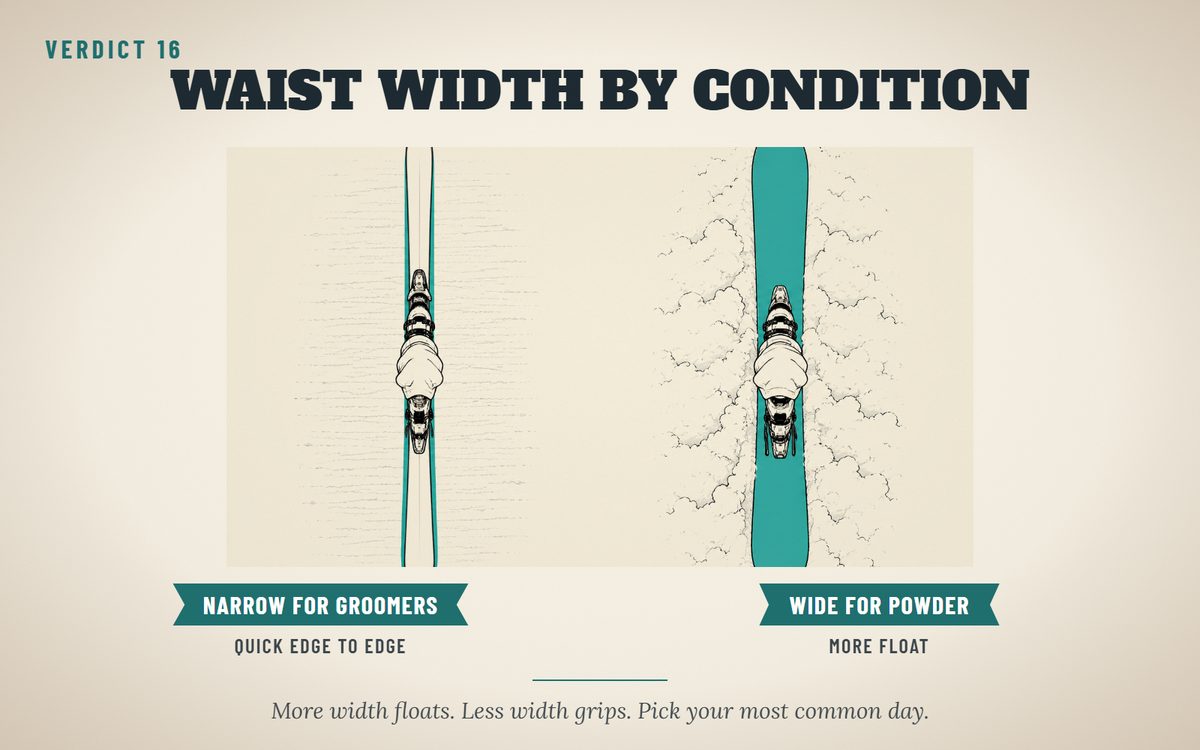
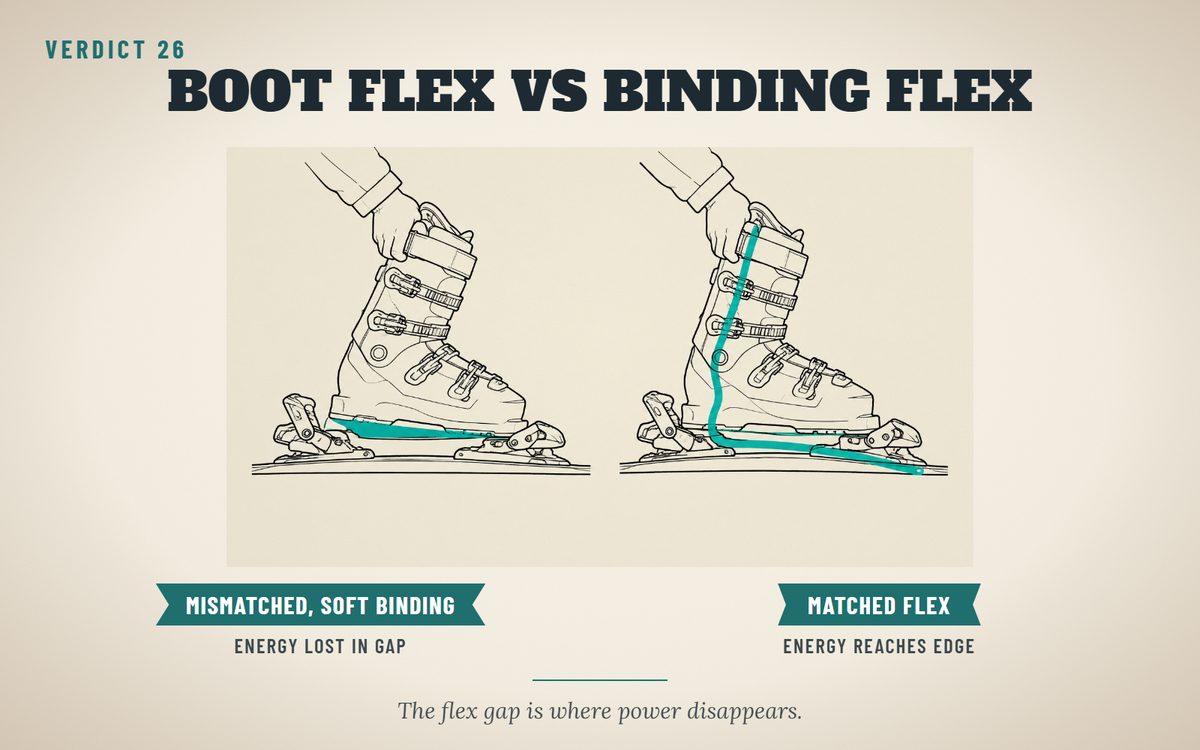
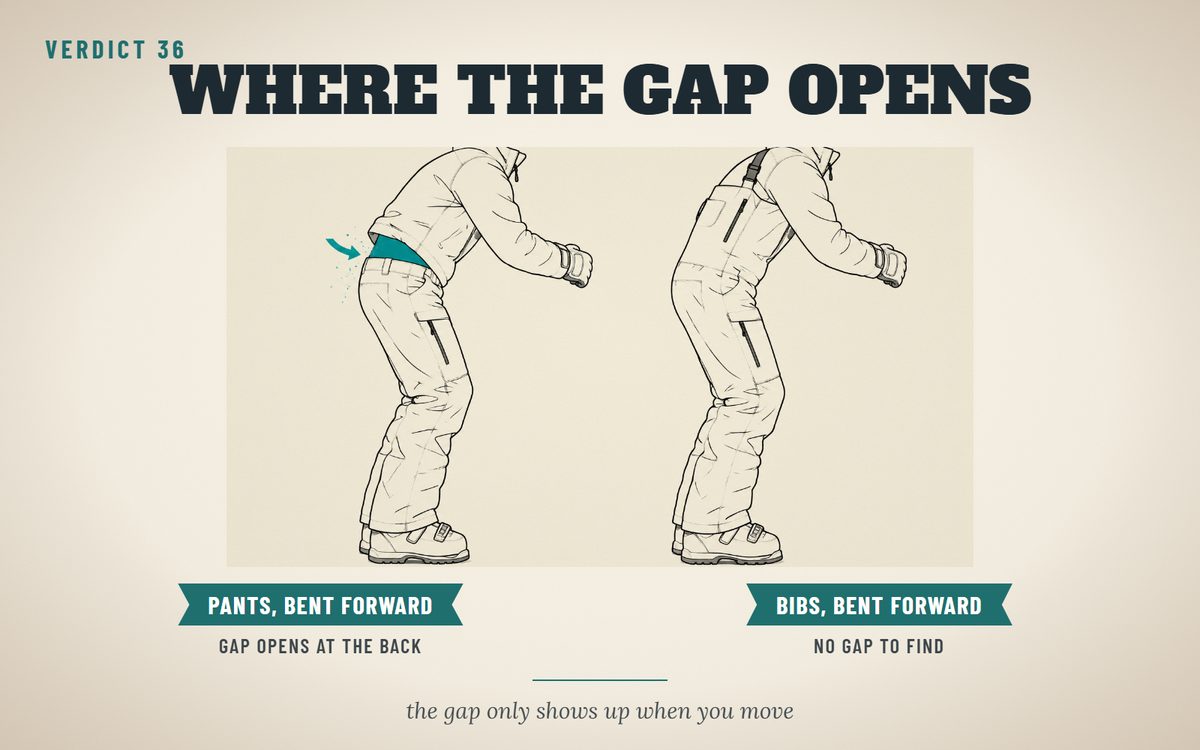
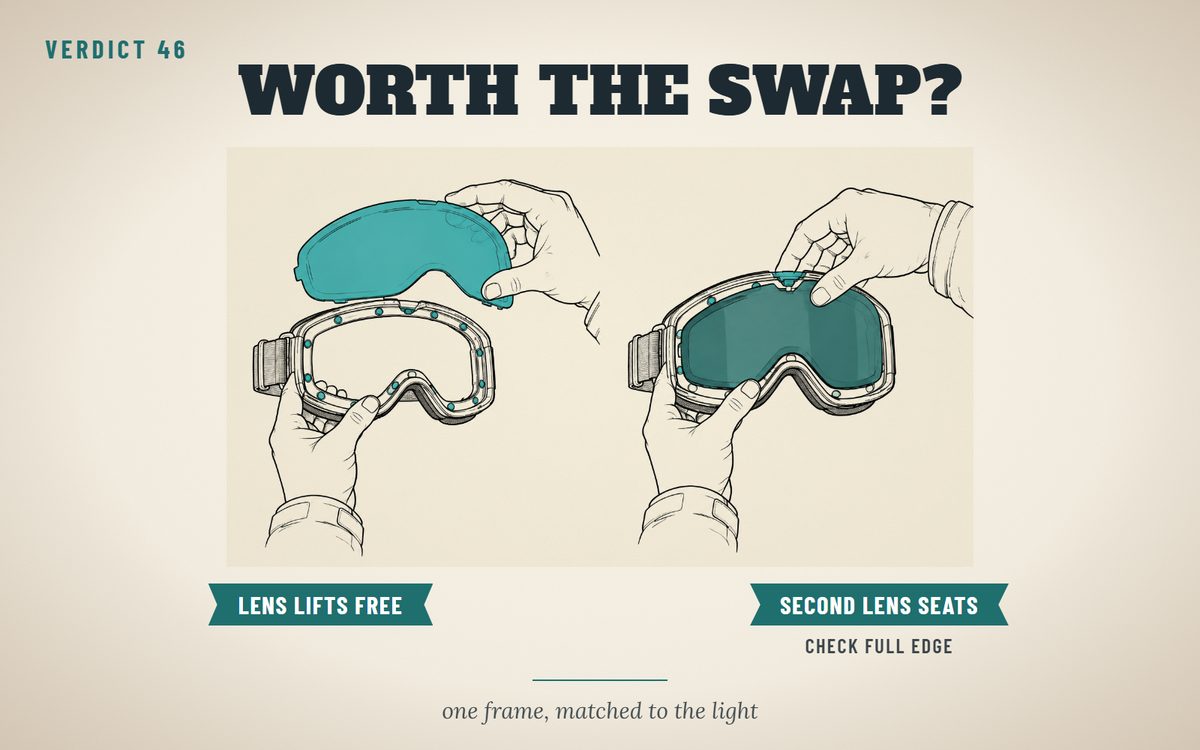
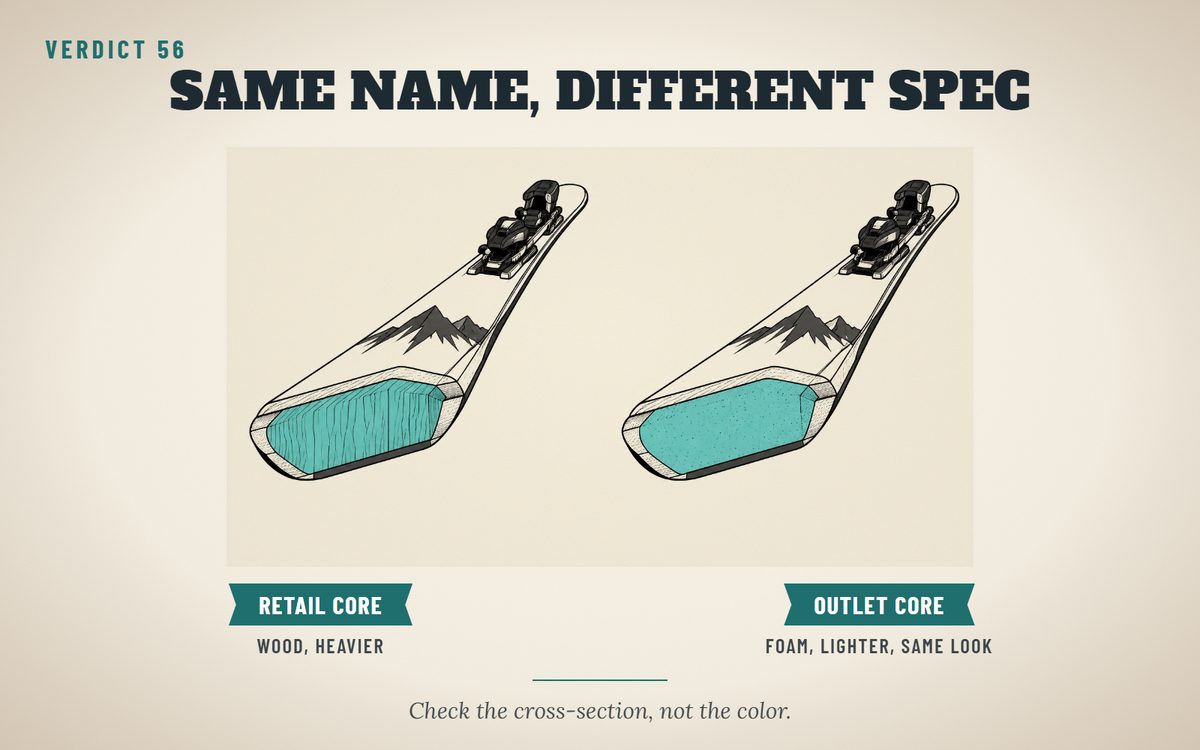
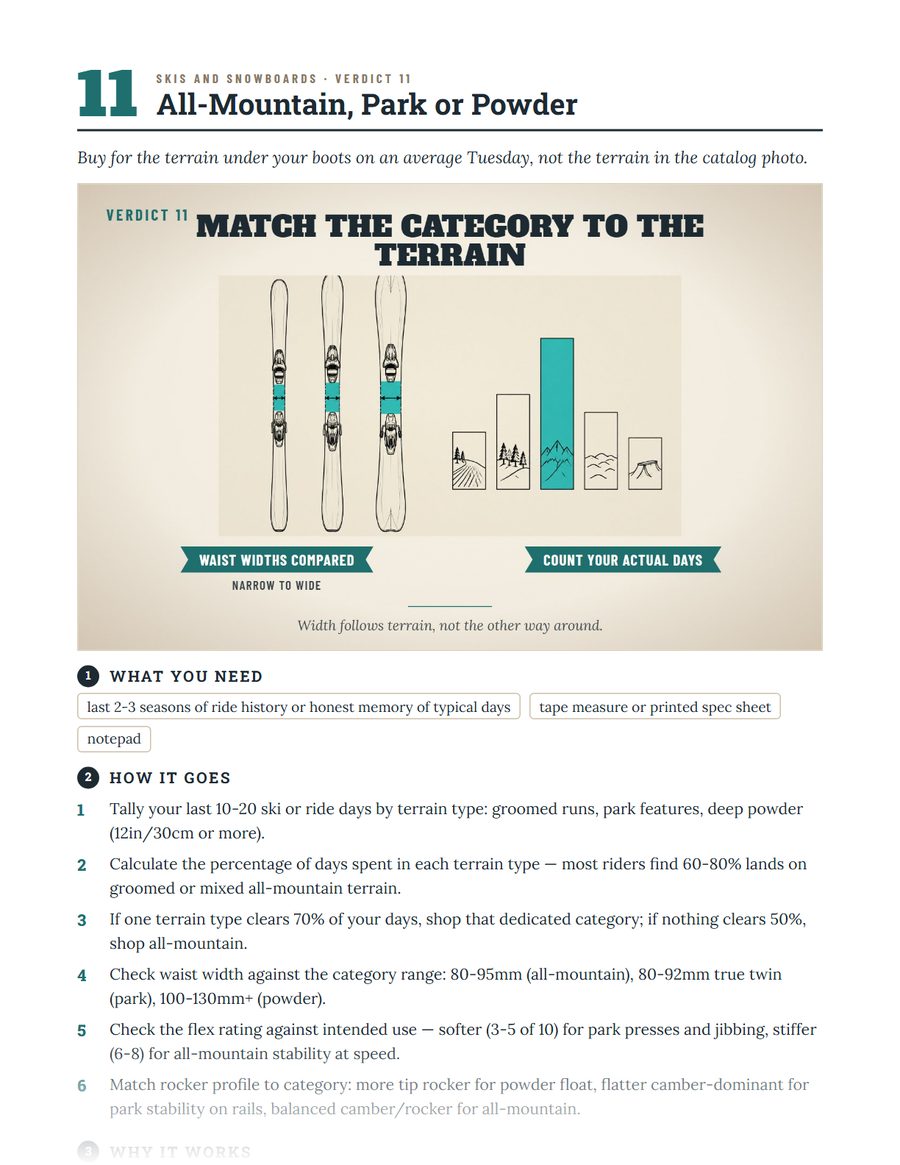
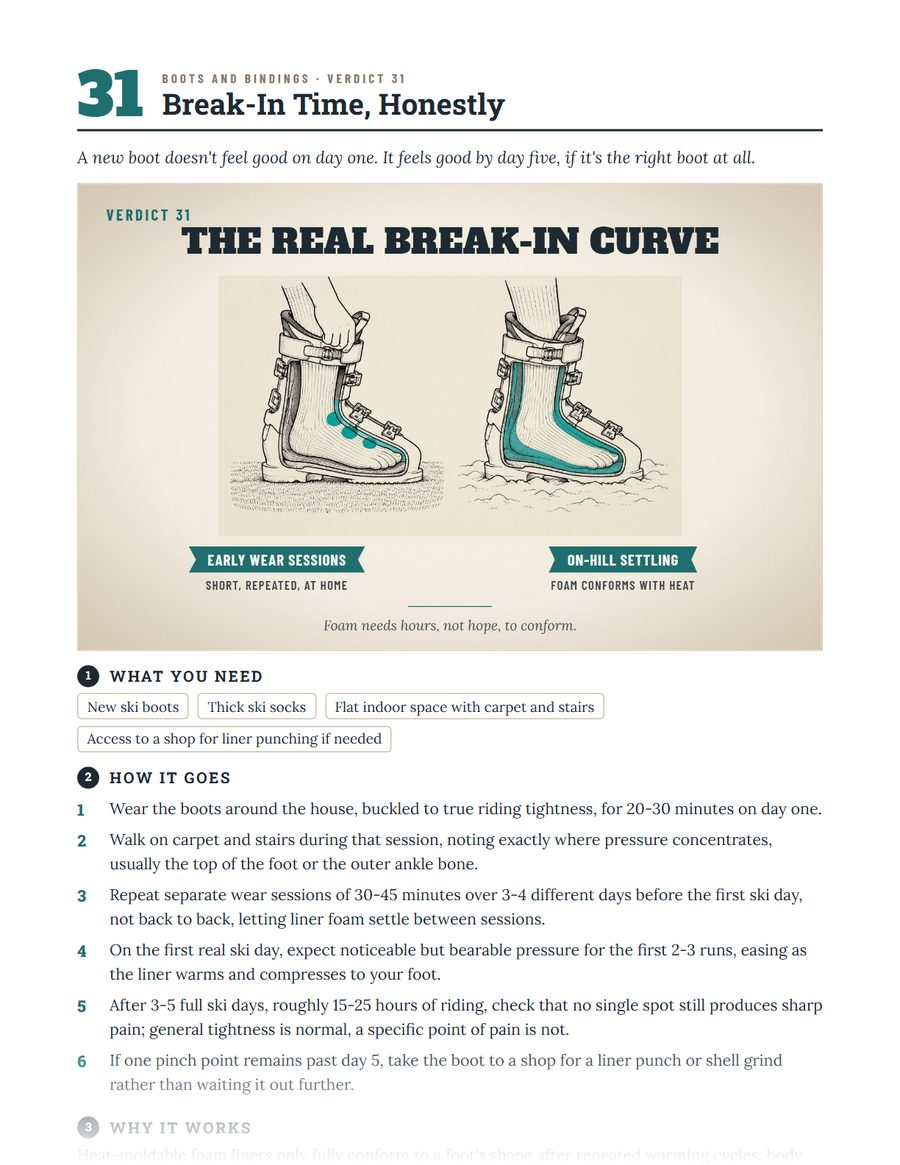
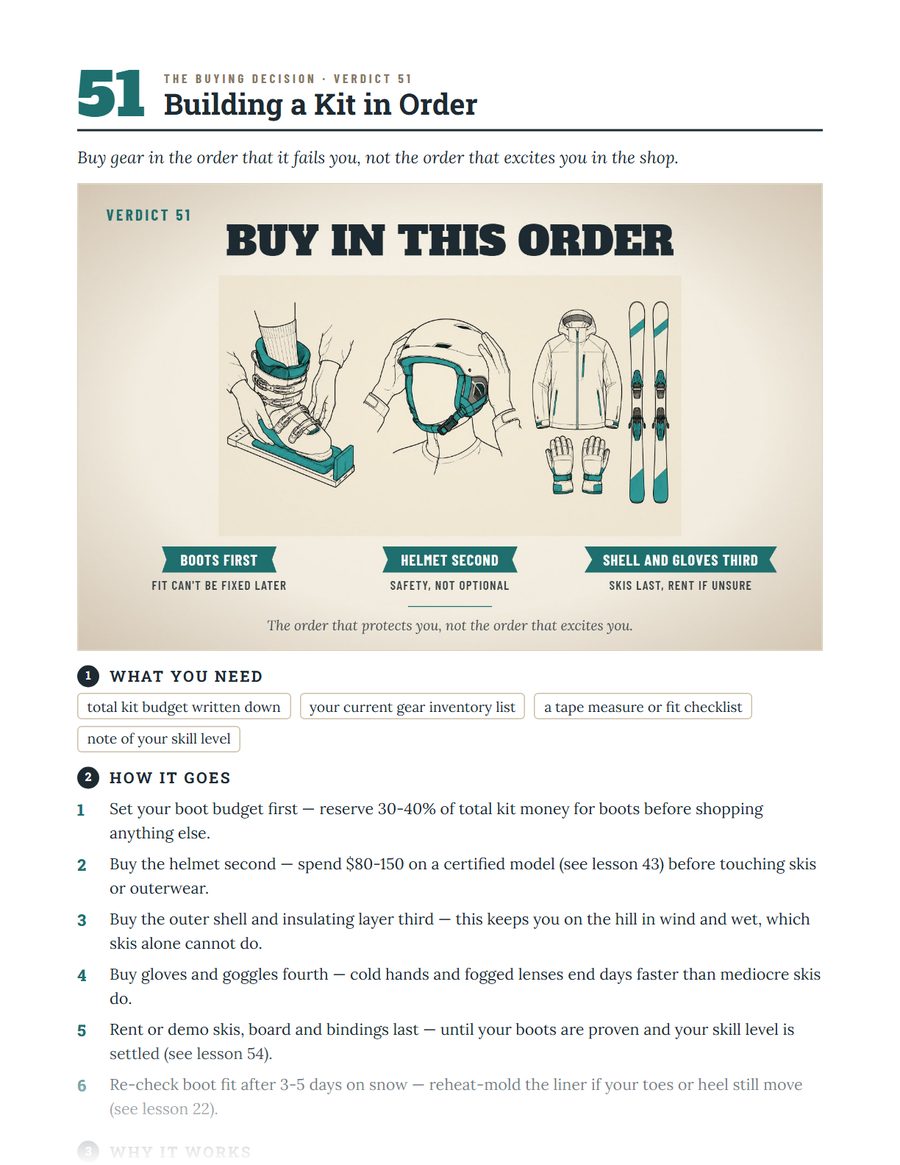
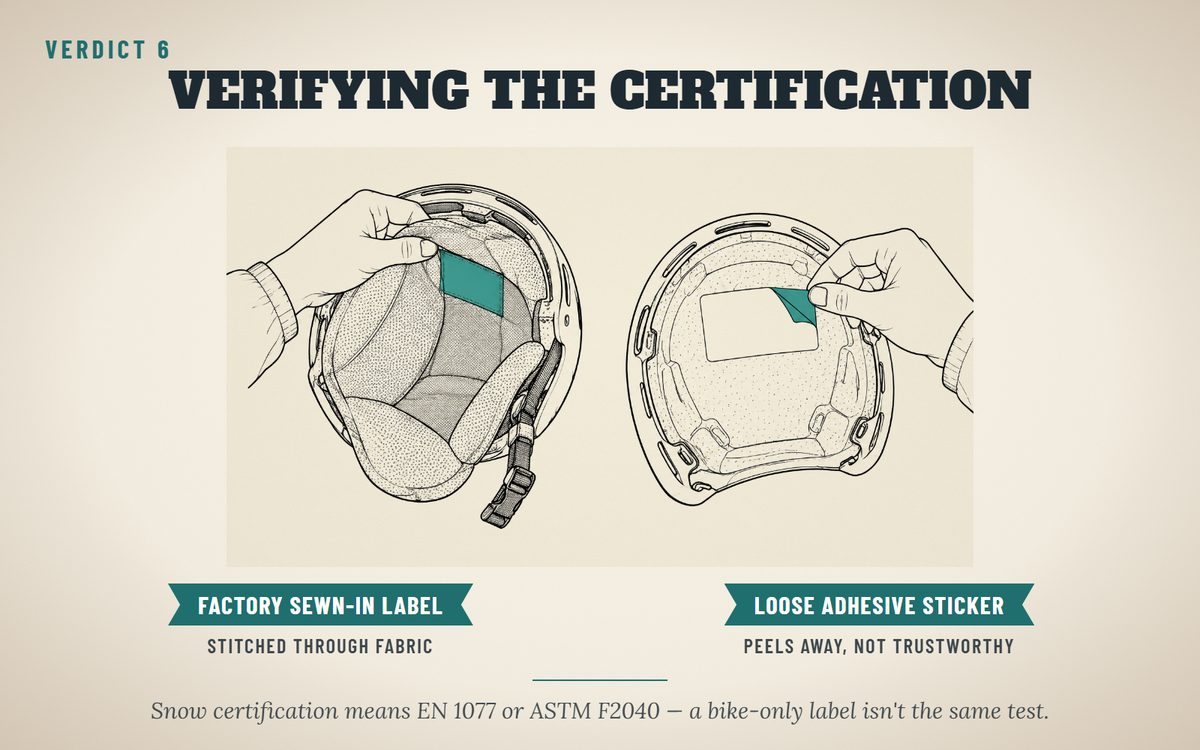
All 60 lessons come with a drawing showing the test, the measurement, or the part of the spec sheet in question, not just a paragraph describing it.
A typical all-mountain ski or board and binding setup runs $500-700 new. Guess the wrong category, flex, or width, and a lightly-used pair resold afterward typically returns 40-50% of that — call it $250-350 back on a $600 setup. The $150-350 gap is usually larger than the time it takes to check the spec sheet before buying.
These are typical figures from general retail and resale pricing; your region, brand, and condition will move them.
Volume One starts with the numbers printed on every hangtag — flex, DIN, waterproof rating, boot flex index — then walks the full kit category by category, ending on the order to buy it all in.
Each of the 60 verdicts comes with one drawing showing the exact test, measurement, or part of the spec sheet in question.


Every comment section had the same three questions.
Every video comparison on this channel ends the same way: a cheap option and a premium option, specs side by side, and a verdict on what the price difference buys. The comment section under those videos kept asking the same handful of things — what flex number fits a 160-pound rider, what a 10k/10k rating actually means, whether a used boot with cracked plastic is safe to buy. Answering the same question in a hundred different comment threads stopped being useful to anyone. A video can show one ski bending on camera; it can't show you how to check your own boot fit next to it.
So the 60 verdicts that came up most often got written down properly, with the steps, the mistakes, and the honest limits that a comment reply never has room for. Nothing in here is new — it's the same method every video uses, just slower and searchable. We checked every number against spec sheets and manufacturer documentation before it went in the book, the same way we check them before they go in a video.
— Winter Spec
Winter Spec is a gear-comparison channel, not a person. Every video puts a cheap option against a premium one — skis, boots, bindings, outerwear, goggles, helmets — and reads the spec sheet before reading the marketing copy.
The channel exists for one audience: skiers and riders building a kit on a budget who want to know what a price difference actually buys, not whether a brand is cool. This book collects the specs and tests from across that catalog into one reference, written with AI assistance and checked against manufacturer numbers.
“Cheap and bad are not the same word.”
One PDF field guide — The Complete Ski & Snowboard Gear Guide — 60 verdicts across 6 sections, each with a drawing, numbered steps, named mistakes, and honest limits.
Stripe checkout takes your payment, and the download page opens immediately after with the PDF links live and ready.
Yes. It's a standard PDF, built to read on screen or print at home.
No. Winter Spec is a faceless channel — this book is written with AI help, but the methods are real and every number is checked against spec sheets and manufacturer documentation.
The checks here — boot fit, DIN ranges, helmet certification — follow standard fitting and safety practices, but a shop technician should set binding release values and a professional boot fitter should handle punches or grinds. This book tells you what to check and ask for, not a substitute for that in-person work.
You get 14 days to decide. If it's not useful, ask for a refund in that window and you'll get one, no argument.
Card, Apple Pay, or Google Pay, through Stripe checkout.
The Complete Ski & Snowboard Gear Guide is $29, backed by a 14-day guarantee. Pay once, get the PDF immediately, and read the spec sheet like someone who already knows what it's hiding.
By buying you agree to the Terms of Sale and Refund Policy.
0 checkouts opened in the last 24 hours